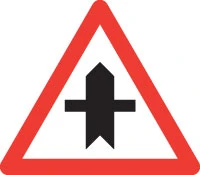
In Switzerland, right of way is set by signs, signals, the priority-from-right rule and police. A driver with priority must not be forced to brake or swerve. Special priority for emergency vehicles and city buses.
How Right of Way is Established
Right of way is determined by signs and markings, by traffic lights, by the basic priority-from-right rule, and by signals from the police.
A driver entitled to right of way must not be forced to brake, swerve or stop by the obligated driver.
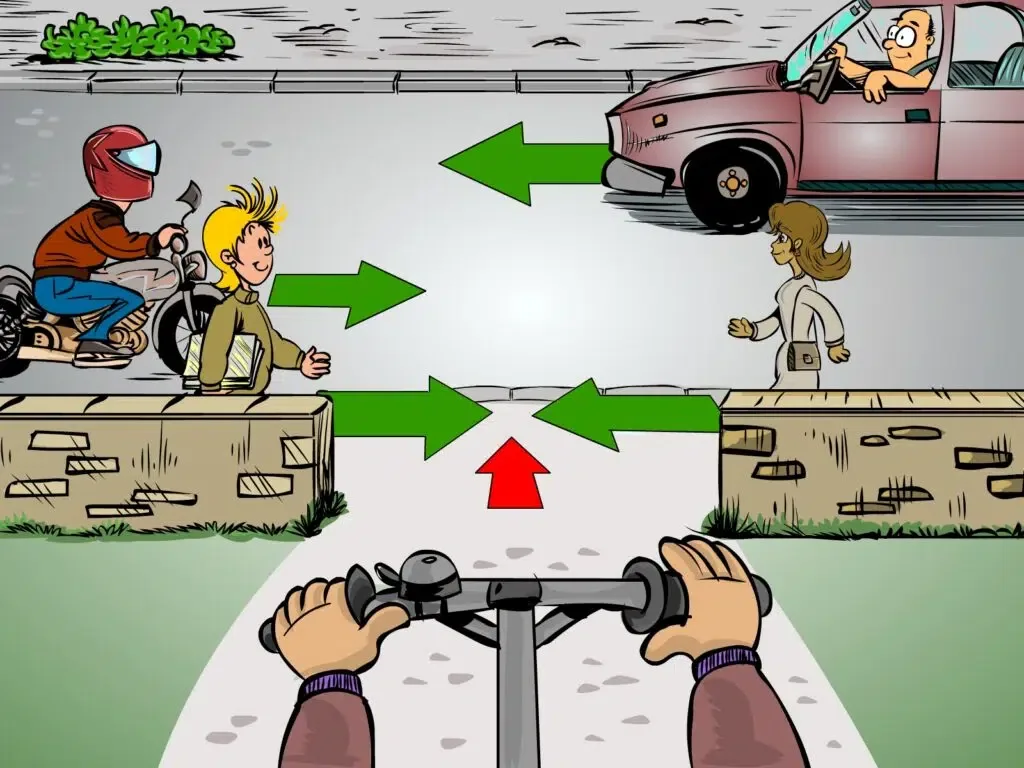
Anyone emerging from a driveway must yield to all road users on the road.
Hierarchy of Right-of-Way Rules
Right-of-way rules follow a clear hierarchy. The higher rule always overrides the lower one:
Police instructions (hand signals)
Traffic lights
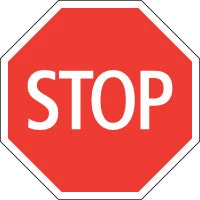
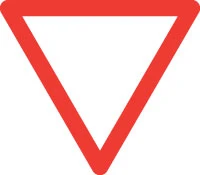
Road signs
Road markings
Statutory priority from the right (basic rule)
A police officer directing traffic therefore overrides the traffic light – and the traffic light overrides the sign. Priority from the right only applies when none of these higher rules is present.
Basic Rule: Priority from the Right
At unsignalled junctions (crossroads, forks, side-road entries), the vehicle coming from the right has priority.
Applies on equivalent minor roads and in 30 km/h zones.
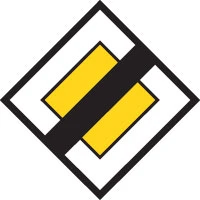
Exception: vehicles on signposted main roads have priority, even when coming from the left.
You will find all signs in this group under Priority Signs.
Who Yields When?
When turning left, give priority to oncoming traffic
When turning, give priority to pedestrians on the road you turn into
When leaving a property, cycle path, field path or parking lot – you yield to all road traffic
When changing lanes, you yield to traffic in the lane you want to enter
Special Vehicles
Emergency vehicles (police, fire, ambulance) with blue light and siren: pull aside, brake if necessary, never block their path.
Public buses leaving a marked stop in built-up areas (signed) have priority – slow down and let them pull out.
Narrow passages
Where the carriageway narrows – parked vehicles, an island, roadworks – two vehicles can no longer pass side by side. The rule depends on the signing:
A priority sign settles it: the white arrow shows who has priority.
Without a sign: whoever has a clear lane goes; whoever has the obstruction on their side waits.
If both arrive together, the one who can stop more easily gives way.
Remember: making space for an emergency vehicle with blue light and siren always takes precedence – if necessary by mounting the pavement or crossing a line.
Special Right-of-Way Cases
Several situations override priority from the right: turning left, moving off and turning around, exits, roundabouts, mountain roads, pedestrian crossings, emergency vehicles and the tram.